
Syntec Numérique federates the handitech sector
5 Mar 2018
0 minutes reading
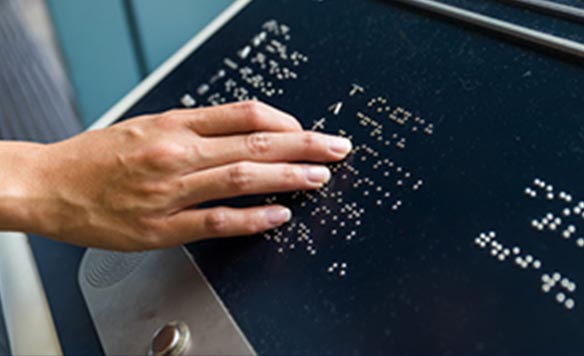
- For people with disabilities, digital technology is an effective, non-stigmatizing way to become better integrated into society and more independent in their day-to-day lives.
- Thus, the development of digital uses by disabled people not only reduces their isolation, and in some cases enables them to retain legal capacity, but also enables them to attend school on a more equal footing, contributes to greater well-being for them and their caregivers, and finally reduces the socio-economic costs associated with specific care.
- According to the World Health Organization, “technical aids are powerful tools for improving the autonomy and participation of people with disabilities. They can replace or complement support services, with a probable reduction in the cost of care”* .
- In France, the total amount contributed by public finances to compensate for the loss of autonomy of elderly and disabled people amounted to 61.4 billion euros in 2015**, a figure that continues to rise.
- France therefore needs to build on the expertise of its handitech players and implement a policy to support the industry by tackling the current bottlenecks: market access, financing, affordability of solutions, export projections, data openness.
*WHO Draft Global Action Plan on Disability 2014-2021 – Better health for all people with disabilities, World Health Organization, 2016. Source : http://www.who.int/disabilities/actionplan/fr/
**Source: Chiffres clés de l’aide à l’autonomie 2017, CNSA, citing data from the LFSS 2017.
Following on from this contribution note for a national strategy for an inclusive Numérque, Syntec Numérique has launched a meeting on handitech next March at Station F. During the morning session, Syntec Numérique will present its plan through 5 concrete proposals to develop inclusive digital technologies.