
Free circulation of data: Europe creates a “Schengen area” for data
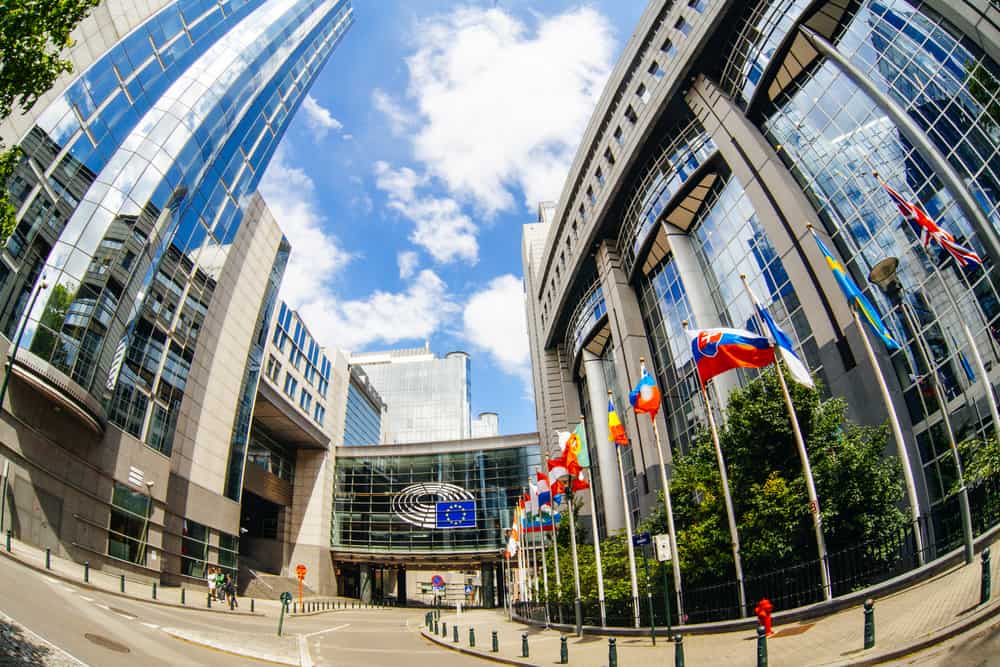
Following approval by the Member States last December, with France supporting the text, the European Parliament approved the regulation on the free movement of data at the beginning of June, paving the way for negotiations with the Council and the Commission to reach a compromise.
This work between the three institutions was rapidly brought to a successful conclusion, given the consensus on the need to guarantee a solid principle of free data circulation within the European Union, and the desire to minimize exceptions – limited to the sole ground of public security.
The compromise text approved today is in line with the priorities formulated by Syntec Numérique and its European counterparts:
- The free circulation of data is a principle recognized by default, with data localization obligations only justified by major imperatives linked to public security, and subject to notification to the European Commission;
- Member States will have to review their existing regulations imposing data localization on their territory, with the need in a number of cases to revise the national legislative framework to comply;
- Draft national measures imposing data localization will have to be notified and justified, including draft public procurement contracts, to ensure that they are compatible with the sole security exception provided for.
Godefroy de Bentzmann, President of Syntec Numérique, is delighted with this outcome: ” We have to say when things aren’t moving in the right direction, as is the case with ePrivacy or the Copyright Directive, but we also have to celebrate when efforts succeed, as is the case with this regulation on the free circulation of data. Data is at the heart of all innovation It’s about time Europe abandoned its Maginot lines and built the Schengen data space. ! “
rn
Syntec Numérique will be closely monitoring the implementation of this regulation at both European and national level.