
Syntec Numérique hails French President’s digital ambitions
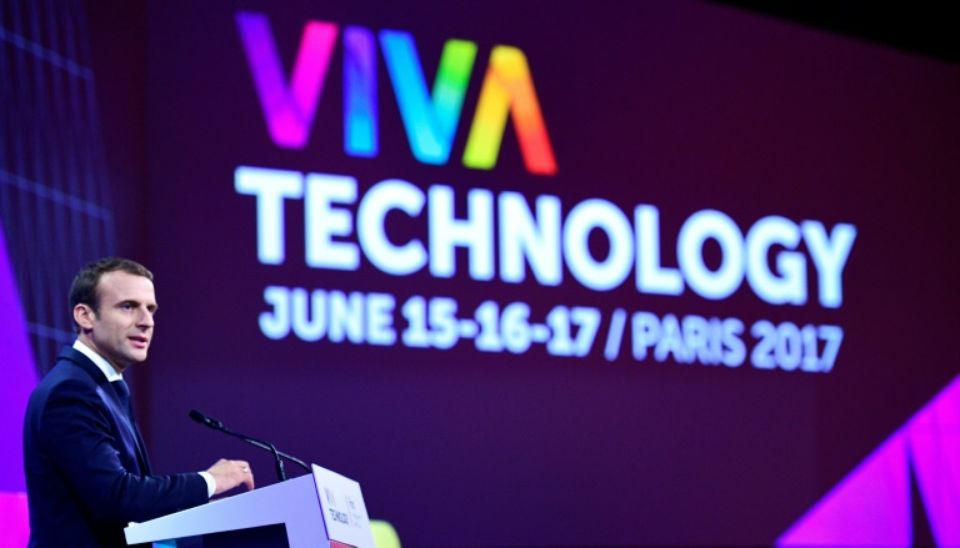
For several years now, Syntec Numérique has been drawing the attention of public authorities to the scale of the wave of transformation that the transition to the digital age represents for our country, while at the same time warning of the inadequacy of our education and training systems, insufficiently agile labor laws, and a tax system that discourages innovation and entrepreneurship.
We particularly welcome the emphasis placed on the entrepreneurial spirit in this process of transformation and hyper-innovation, as well as the political will to help our startups become the vectors of tomorrow’s growth.
In this respect, we can only welcome the reform of the wealth tax, which will no longer penalize funds invested by individuals in companies, start-ups and innovation, and will instead encourage risk-taking. We also welcome the reform of capital taxation confirmed by the President of the Republic in the next Finance Act, which, thanks to a single flat-rate levy of 30%, will make it possible to reverse the dissuasive system voted in during the previous five-year term, which resulted in capital flight and penalized investment.
As President Sarkozy has said, we need to restore the freedom to do, to try and sometimes to fail, while at the same time creating new protections that are adapted to the new digital world, particularly in terms of personal data protection and cybersecurity, in order to generate the necessary collective support.
Insofar as the immense challenges of the digital age can only be seriously addressed at European level, Syntec numérique is calling for the formalization of a single digital market. This should enable the European economy to take off again, by no longer confining online markets within their national borders, and allowing European digital champions to emerge, the only ones capable of competing with the major international platforms.
Digital transformation must also lead to a change in our approach to social issues. It is no longer jobs that need to be protected in a static economy, but individuals who need to be prepared for the extremely rapid changes of a mutating economy, thanks to an in-depth overhaul of the vocational training system.
At a time when nearly 30 million working people will be called upon to acquire new skills in order to retrain or adapt to new uses and services, our vocational training system will need to enable everyone to secure their career path. Our proposal for a universal training savings account, controlled digitally by each individual, seems to us to be an indispensable tool in this respect.
Godefroy de Bentzmann, President of Syntec Numérique: “We fully agree with the French President’s diagnosis of the magnitude of the digital transition for our society. It is indeed a challenge that our economic and social models are facing. On their correct digital “upgrading” will depend the evolution towards a new model of growth, serene and accepted by all.
rn